
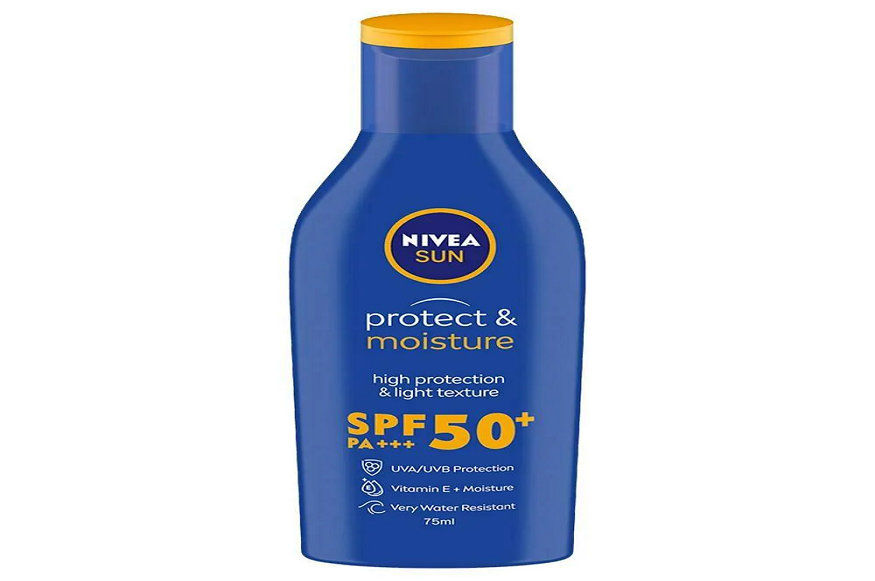
Why Lotion-Based Sunscreens Offer Better Coverage Than Other Formats

378 Views
Choosing the right sunscreen is about more than just picking the highest SPF on the shelf. Coverage, texture, and skin compatibility all influence how well a product protects you in real life. Among the many formats, sprays, gels, lotions, and sticks, lotion-based sunscreens consistently outperform others in delivering thorough, reliable coverage. This article explains why a sunscreen lotion often provides superior protection, particularly for everyday use and for those with sensitive skin.
I am not received these posts payment from Broker( Pravesh Bravo) . I asked and email many times but their is not a single reply. That is why i am removing your all paid and unpaid posts( April to June ).
If you want to be live your posts, then contact me here: [email protected] (+919467554532 )– Kavya Sharma
What Makes Lotion Coverage More Reliable?
Sunscreen lotion spreads evenly across the skin’s surface, creating a continuous film that reduces gaps where UV rays can sneak through. Unlike aerosols that can evaporate before making solid contact or sprays that disperse unevenly, lotions allow you to see and feel where the product has been applied. That tactile feedback matters: you’re less likely to miss spots. Lotions typically contain emulsifiers and humectants that help the active UV filters bind to the skin rather than sit on top and rub off. This binding supports longer-lasting coverage and helps maintain SPF performance through normal daily activity.
Key advantages include:
- Even application as lotions are easy to rub in, eliminating streaks and patches.
- Controlled doses as you can measure a proper amount, about a nickel-sized dollop for the face, more easily with lotion than with sprays.
- Better adherence as lotions form a film that resists accidental transfer to clothing or towels more effectively than many fluid formats.
Why Lotion Beats Gel Sunscreen in Real-World
Using gel sunscreen, thatis lightweight and cooling, can be pleasant in hot weather. However, gels are often water-based and can sit on the surface, making them prone to pooling in creases or evaporating quickly. That can be an advantage for oily skin types or for quick touch-ups, but when it comes to full, reliable protection, in particular over uneven textures or drier areas, a sunscreenlotion typically performs better. Lotions blend moisturizing and protective functions, reducing the tendency for the product to run or separate, issues sometimes seen with gel sunscreen formulations. In short, gel sunscreen offers a pleasant, light texture but may sacrifice adhesion and even spread.A lotion’s emollients and stabilizers help keep SPF evenly distributed for longer periods.
Read More: Concealer vs. Highlighter: What Should You Layer First?
Why Lotions Are Often the Best Choice for Sensitive or Dry Skin
For people with delicate or dry skin, the right formulation matters. Many lotions are enriched with emollients and hydrating ingredients, so they protect against UV damage while supporting the skin barrier. That dual function reduces irritation and prevents the tightness that can make sun exposure uncomfortable. Because of their moisturizing base, lotion formulas often qualify as the best sunscreen for sensitive skin, avoiding stinging or flaking on fragile skin. Look for options labeled fragrance-free and aimed at sensitive skin to reduce the chance of irritation. Benefits include:
- Hydration, as lotions can include glycerin, ceramides, or hyaluronic acid to retain moisture.
- Comfort, as rich yet non-greasy textures reduce the risk of stinging or flaking.
- Gentle actives, as many lotion sunscreens omit alcohol and harsh fragrances.
Practical Tips for Getting the Most from a Sun Screen Lotion
Choosing a lotion is only one part of the story. Proper application and reapplication are essential to achieving the coverage lotions can provide. Apply liberally and evenly at least 15 minutes before sun exposure. Use about one ounce for full-body coverage and a nickel-size amount for the face. Reapply every two hours or immediately after swimming or heavy sweating, even with water-resistant formulas. If you have oily skin, look for formulations described as non-comedogenic or a matte sunscreen to reduce shine.Consider layering if you use a hydrating moisturizer under makeup, apply sunscreen last or choose a moisturizer with sun protection to ensure an even spread.
Read More: How To Use Foundation As Concealer Like A Pro?
Conclusion
While gel sunscreens and sprays have their place, especially for certain skin types and quick reapplication, sun screen lotion remains the most reliable format for comprehensive, even protection. Lotions combine ease of use with superior coverage, better adherence, and skin-friendly hydration, making them an excellent go-to, particularly for those seeking the best sunscreen for sensitive skin. For dependable sun safety at the beach, on the trail, or around town, a high-quality lotion-based SPF is hard to beat.


More Stories
Concealer vs. Highlighter: What Should You Layer First?
We all know that concealer is usually applied first to correct and perfect the skin. But when creating a dewy,...
How To Use Foundation As Concealer Like A Pro?
Using foundation as a concealer is a simple hack to cover blemishes, redness, and dark spots without heavy layering. This...
3 Surprising Uses Of Mascara You Wish You Knew Before
Did you know that you can use mascara beyond lash makeup? Yes, you read it right! From brow grooming, masking...
Vitamin C Face Wash: Benefits For Bright And Fresh Skin
When it comes to skincare, vitamin C is one of the most celebrated ingredients. Known for its brightening, protective, and...
Blush Mistakes You’re Making and How Face Powder Can Save the Day
You can never be too casual with blush makeup! Wrong blush placement, excess use, incorrect shade, or uneven application –...
What’s Tightlining & Why You Should Try It To Enhance Your Lash Look
Ever wondered how some people’s lashes look naturally fuller, darker, and more defined, without it being obvious that they’re wearing...